
By Avi — My mind is still racing after my research trip to the Netherlands. Here are some additional lessons I’ve been reflecting on since the last newsletter.
1. Choose to be optimistic — The folks I met in the Netherlands, like Jeska de Ruiter at the Dutch Cycling Embassy, exuded optimism and self-belief reminiscent of the atrophied American can-do spirit. They acknowledged the imperfections of their exemplary bike networks and projected confidence that they will get better. This stands in contrast to many conversations I’ve had in recent years in the US. Advocates here are exhausted, beaten down by years of setbacks and Phyrric victories. But let’s make a choice to remain optimistic: we have the tools and knowledge to make healthy, joyful active transportation a reality here — in years, not decades.
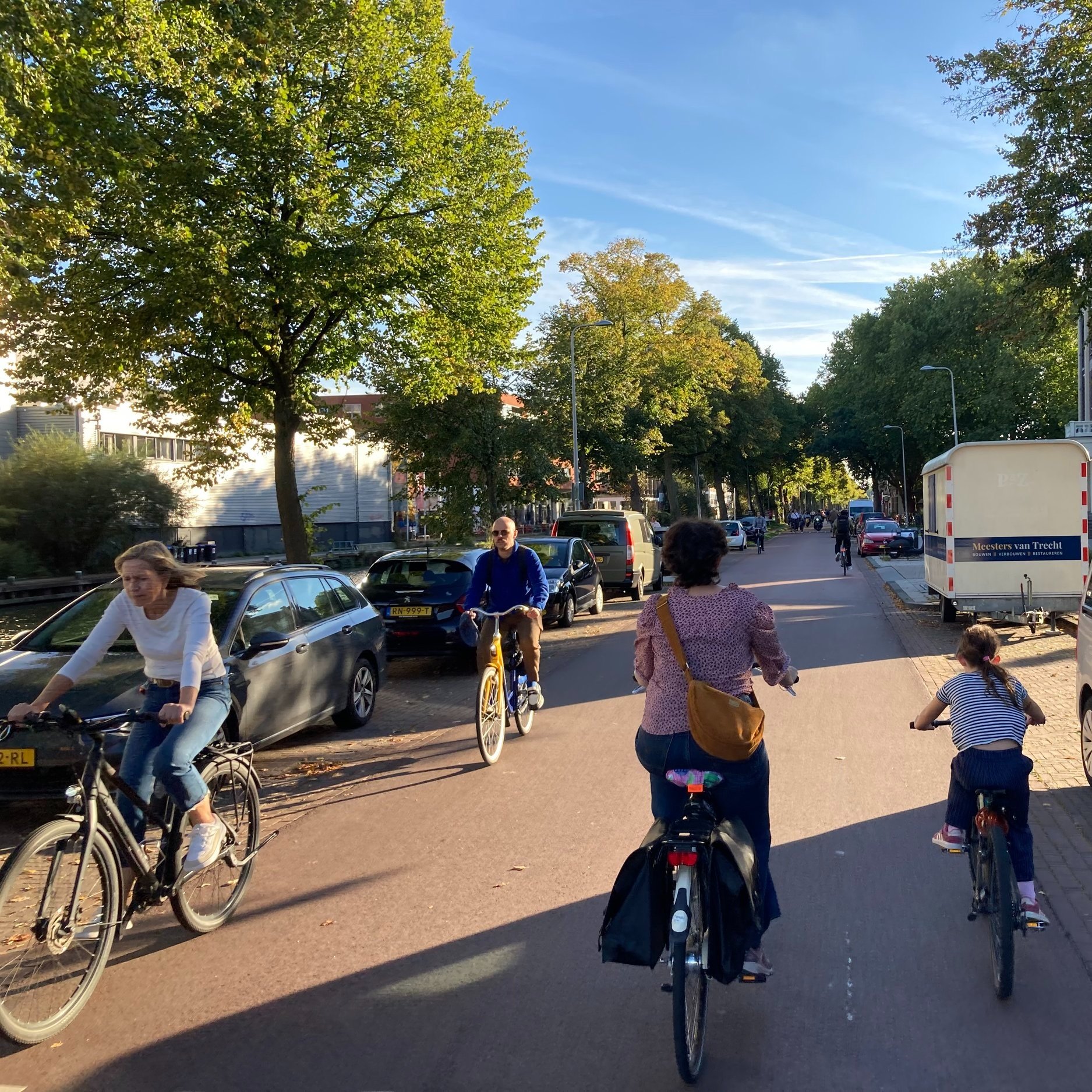
2. Keep learning, keep challenging conventional wisdom — One of the most remarkable assertions I heard was from cycling historian Ruth Oldenziel, that the fietstraat, a shared-use bikeway with what seemed like 100 bikes for each car, is the end state, not the protected bike lane. This was such an unorthodox argument that I couldn’t help but reflect that the bigger point is that even when a bikeway is great, we can still make it better.
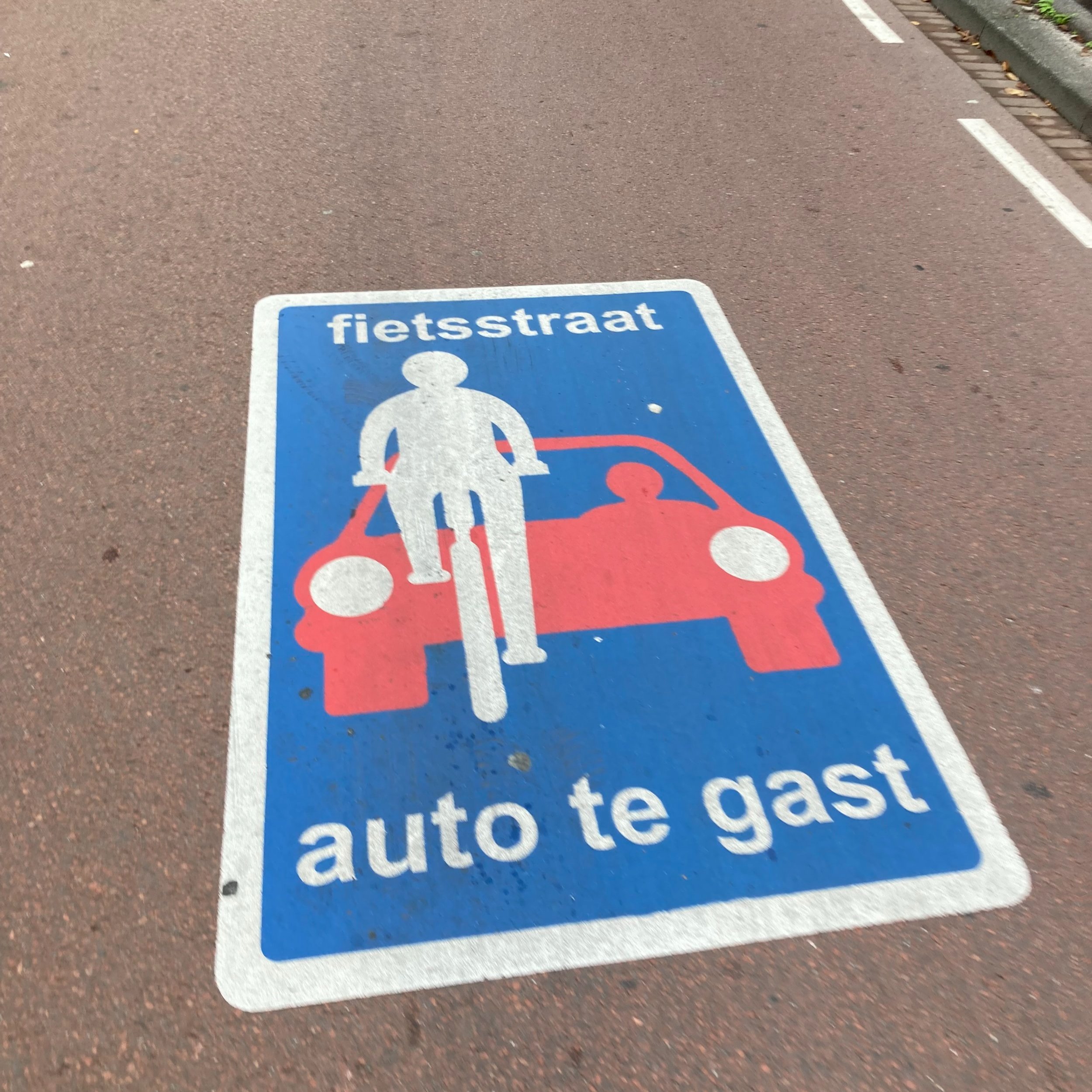
“Bike street. Cars as guests.”
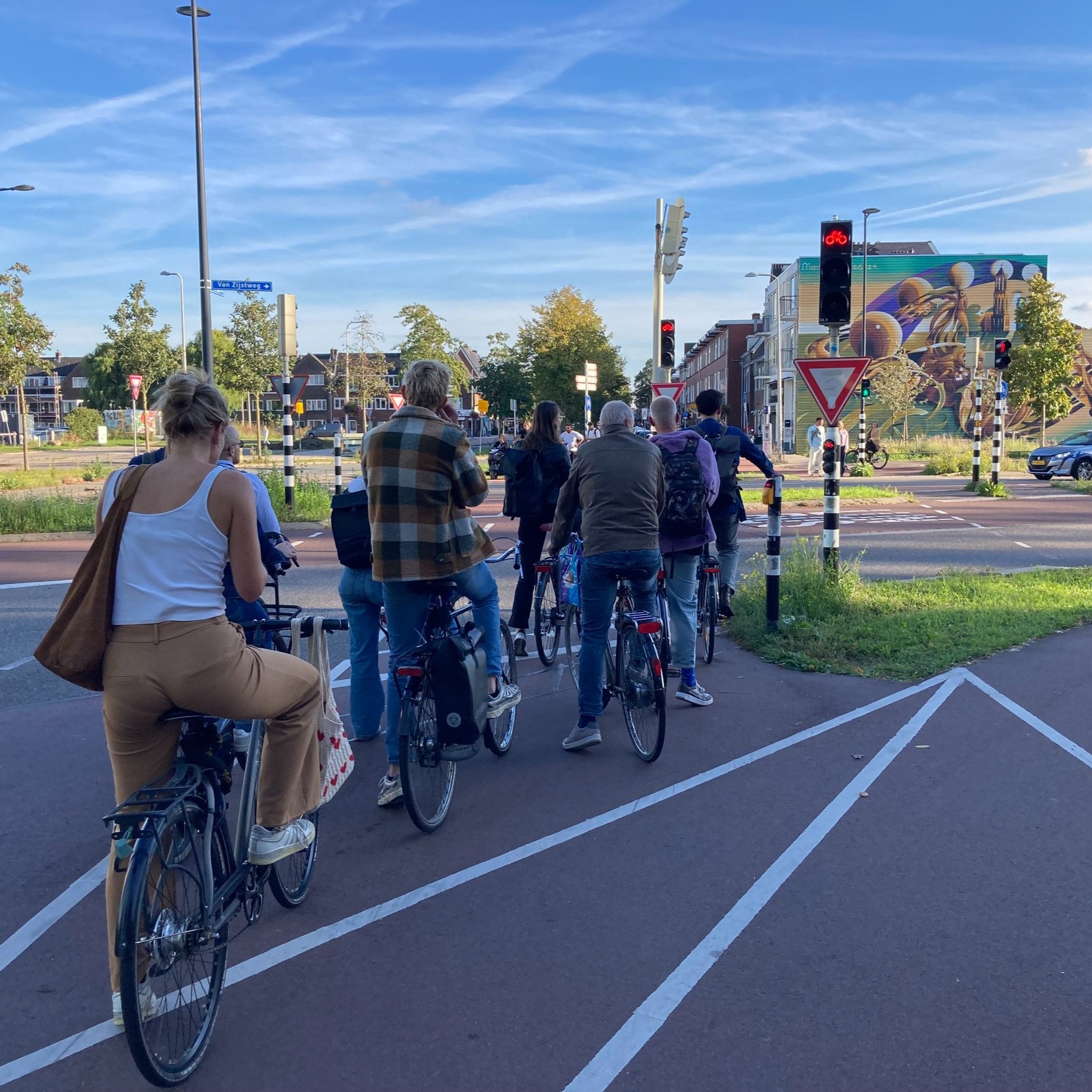
3. There are no gaps — American bike networks are disconnected archipelagos of bikeways. Network gaps are the norm — places where bike lanes suddenly end, merge with vehicular traffic, or fail to provide guidance on how to navigate a tricky intersection. By contrast, in the Netherlands, everything connects. It’s truly a network. And therefore, it’s navigable.
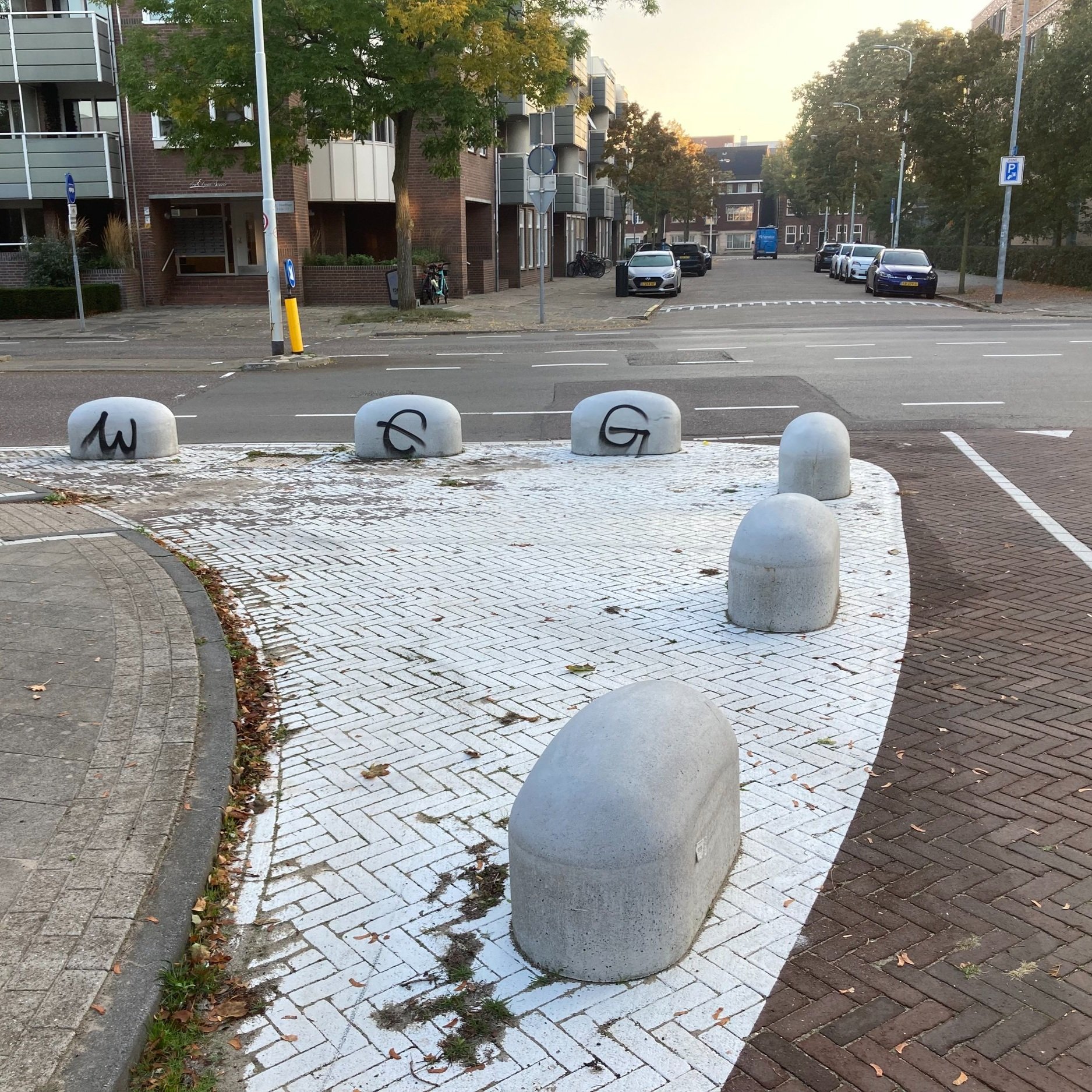
4. There are no plastic posts — The absence of plastic flex-posts is a striking contrast to their ubiquity in the United States. Instead, the Dutch use steel bollards and pre-formed concrete ovoids that I dubbed “Dutch Blobs.” These convey a sense of permanence, blend in aesthetically, and require essentially no maintenance. What a difference from the decaying plasticscapes we’ve created here that produce avoidable conflict with neighbors who dislike the aesthetics.
5. Bike networks can exist in any context — The networks I experienced in Amsterdam, Eindhoven, and Utrecht span a wide range of urban contexts: ancient city centers, post-war suburbs, modern downtowns, suburban university campuses, and so on. It shows that the dismissive argument that there’s some special mojo in European cities that’s not transferrable to the United States is incorrect.
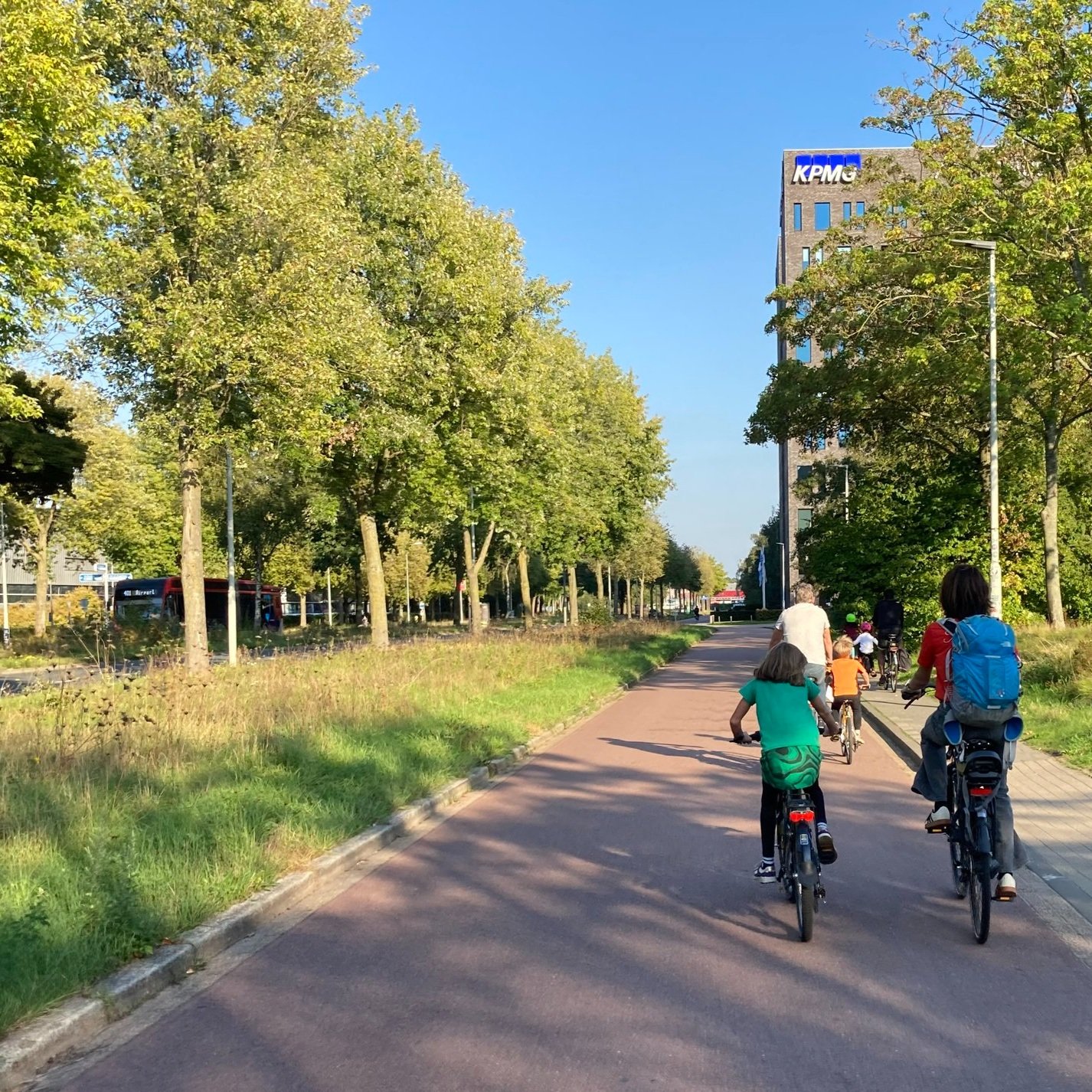
A separated cycleway passes by a corporate office tower alongside a major arterial street in Eindhoven.